









Cotton Incorporated
Entomology Research
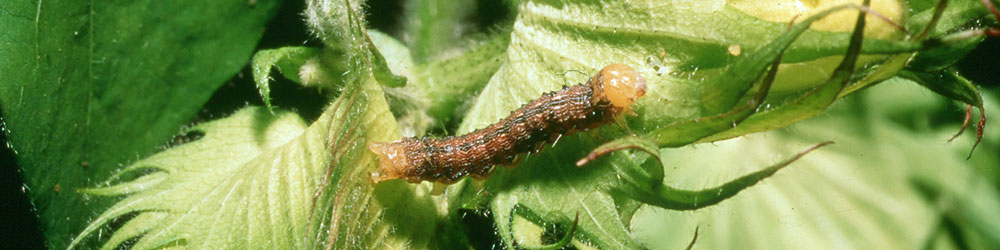
Cotton is susceptible to a wide range of insect pests. Among the most destructive are the cotton bollworm, plant bugs, stink bugs, aphids, thrips and spider mites. Regardless of the pest, insect pest management is the highest variable cost associated with production of the cotton crop. The overall objective of the insect pest management research program is to develop and evaluate pest management strategies that are cost effective yet environmentally acceptable. Emphasis is placed on integrated pest management (IPM) techniques. Areas of research include threshold development; efficacy and resistance management of crop protection products; and development of methods to avoid insect pest problems through crop management, resistant varieties, and better understanding of the pest’s biology/ecology and molecular genetics.
Research is also conducted in support of the Boll Weevil and the Pink Bollworm Eradication Programs. Successful completion of the boll weevil program is essential for profitable cotton in virtually every state.
Cotton Aphid
The most common and the only aphid species of economic importance attacking cotton in the United States
Caterpillars
A number of caterpillar species feed on the squares and bolls of the cotton plant
Plant Bugs
The term “Plant Bugs” applies to a group of closely related cotton pests that include the tarnished plant bug
Spider Mites
Ten species of spider mites are reported to attack cotton in the United States
Stink Bugs
In recent years stink bugs have become a dominant pest, especially in the Southeast
Thrips
Thrips are a pest of seedling cotton that feed on the terminal tissues and can be particularly damaging when temperatures are cool
Whitefly
Several whitefly species infest cotton